
Your Team Environment
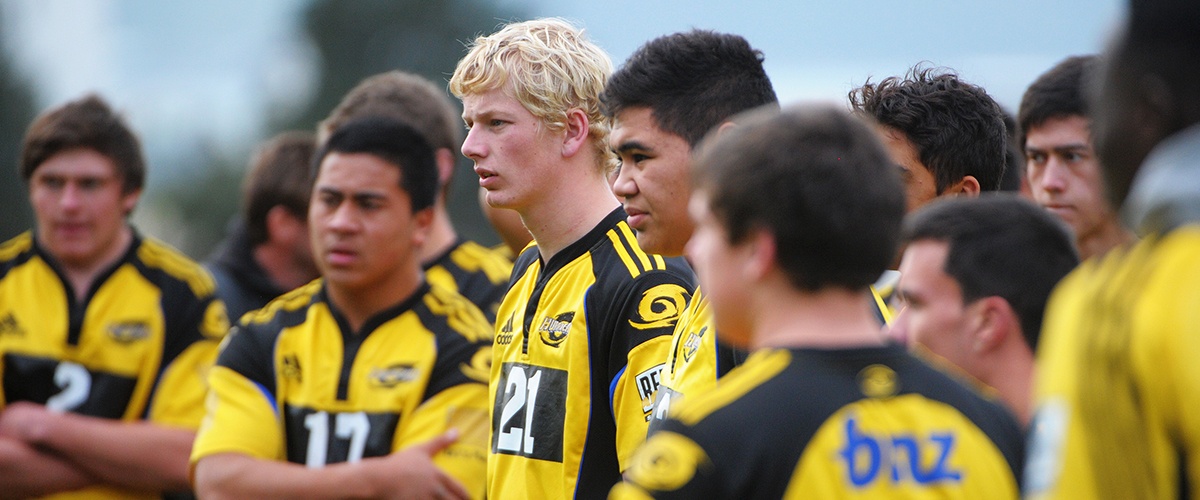
Whānau, sidelines and team environment
You are the most important person in teenage rugby. The environment you build, with your players and their whānau, decides whether rangatahi want to come back next week and next season.
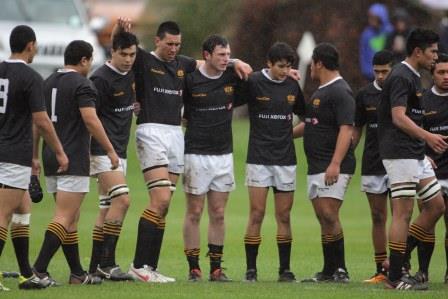
Start the season right
Before your first training, think about:
- Who is in your team, and what do they want from the season?
- Does your coaching style need to change for this group?
- How will you keep in touch with players and their parents or caregivers?
- What team expectations will you agree together?
- What goals will you set, and what goals will the team set?
- Will your team be one others want to be part of?
- Will you enjoy it?
Bring whānau in early
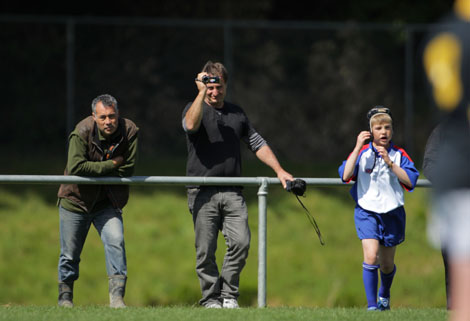
Parents and caregivers are essential. They get players to games, pay fees and keep them going. But teens told us they want adults to support them, then step back on game day: “It’s about us, not our parents.”
- Hold a pre-season catch-up with parents and caregivers. Share what you want for the team, your team expectations, and how they can help.
- Agree a sideline charter that players, parents and coaches all sign up to. Teens suggested this themselves, and clubs that use one say it helps.
- Give whānau real roles: managing, first aid, transport, food, filming or stats.
- Keep them in the loop with regular updates through team group messages.
The sideline
Rangatahi told us adult sideline behaviour is one of the biggest things that spoils their game. When asked how far away they wanted parents on the sideline, the most popular answer was 3km.
- Cheer effort and good play, for both teams.
- Leave the coaching to the coach. When a parent yells “Spin it wide!” and the coach has said keep it tight, players don’t know who to listen to.
- Don’t call out individual players, including other people’s children.
- Respect the referee. Referees are volunteers too, and some are young people themselves.
The car ride home
After a game, the car can feel like a small space with nowhere to hide. Players know when they’ve played well or badly. They don’t need an adult to break it down for them.
Often the best thing to say is nothing. If they want to talk, try:
- “Did you enjoy yourself today?”
- “I love watching you play.”
- “Which part of the game did you enjoy most?”
- “Tell me about your game.”
Skip “Did you win?” and “How many tries did you score?” Asking about their experience shows you care about what matters to them: the contest, their mates and their enjoyment.
School and club
Teens told us “The school is mine and the club is Dad’s.” Playing for school with their mates carries real pride. But the move from school back to club rugby is where many players are lost.
- Build links between your school and local clubs.
- Help players in their last year of school find a club team, ideally with their mates.
- Make new players welcome. Starting again with a new team is hard.
Look after yourself
Coaching teenagers can be frustrating and time consuming. It can also be one of the most rewarding things you do. Keeping rangatahi in the game starts with keeping you in the game. Ask for help, share the load, and enjoy it.