Signs and symptoms
Concussion symptoms may occur straight away or up to 48 hours after the event happened. Extra caution is needed for younger players. This is because children and adolescents often take longer to recover.
Here are the signs and symptoms to look out for when you suspect a player has been concussed.
RED FLAGS
If a player presents with any of these Red Flag symptoms they must seek urgent medical attention: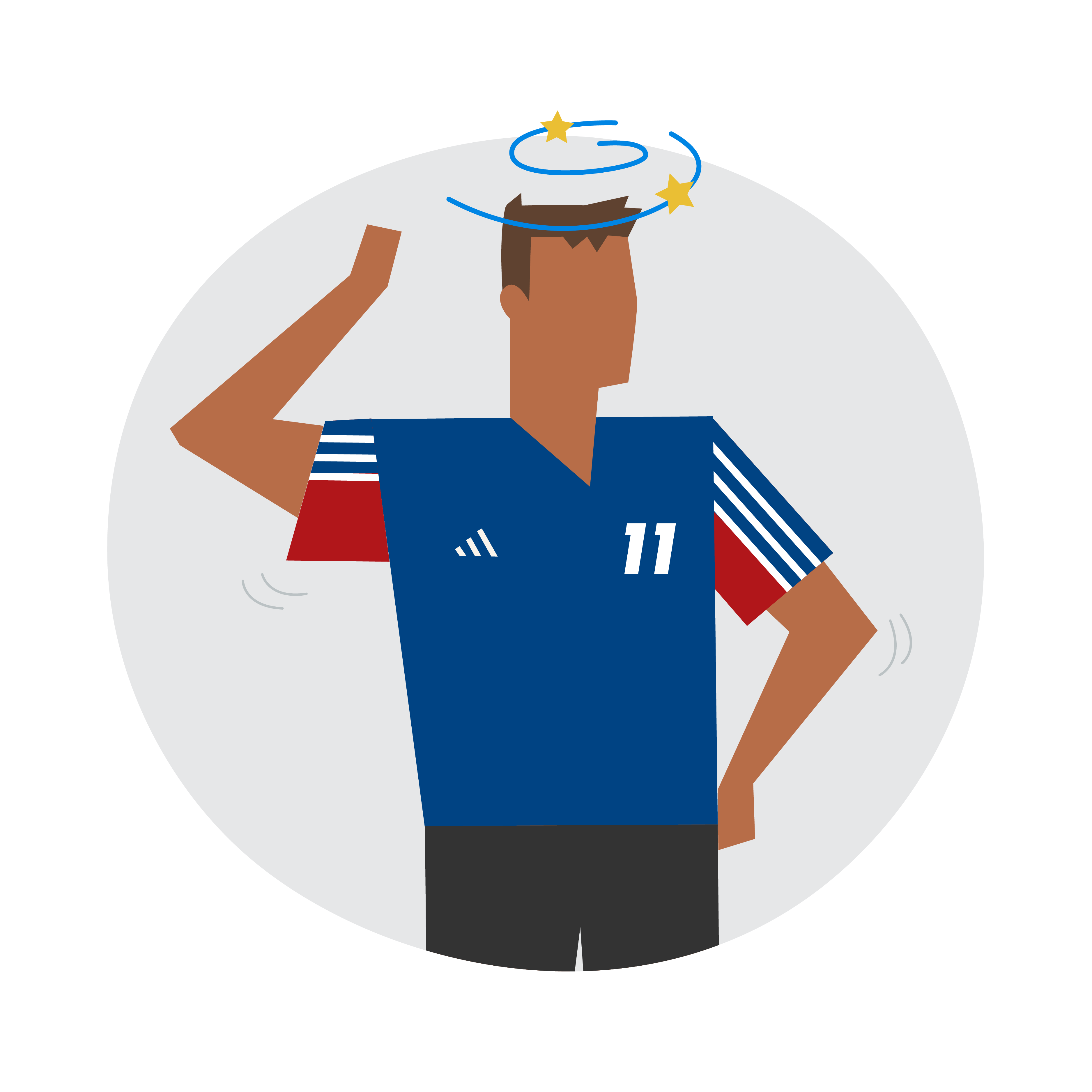
- Neck pain
- Increasing confusion
- Repeated vomiting
- Seizures or convulsions
- Double vision
- Weakness or tingling/burning in arms or legs
- Decreasing levels of consciousness
- Bad or worsening headaches
- Unusual behaviour changes
WHAT YOU SEE
- Loss of consciousness
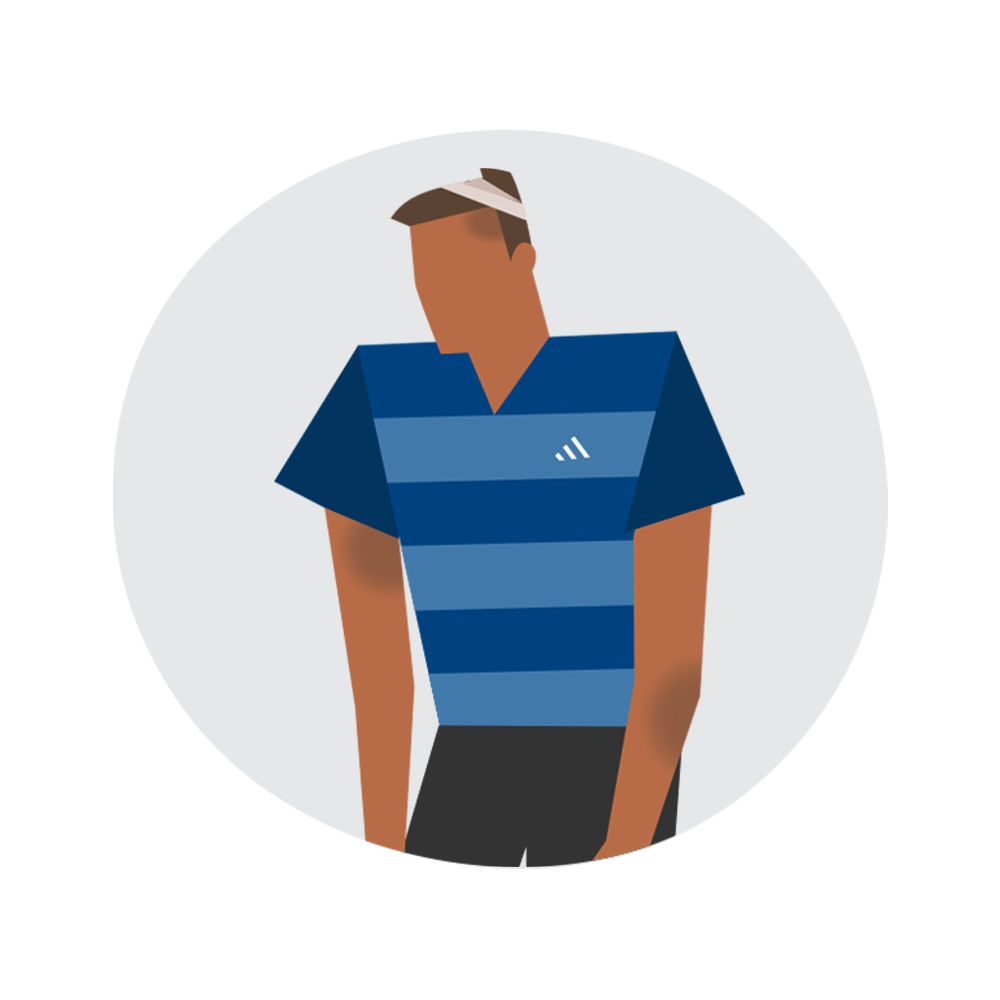
- Lying on the ground not moving or slow to get up
- Loss of balance/coordination
- Disorientation/confusion
- Visible injury to face or head (especially in combination with any other physical signs)
- Grabbing/clutching of head
- Dazed, blank or vacant look
WHAT THEY SAY
Failure to answer any of these questions may suggest a concussion:
- Where are we playing or training?
- Which half is it? What time is it now?
- Who scored last in this game/practice?
- What team did you play last week?
- Did your team win the last game?
WHAT THEY FEEL
- Blurry vision
- Dizziness
- Difficulty with bright light and/or loud noises

- Tiredness
- Problems with memory
- Find it hard to think or concentrate
- More emotional
- Irritability
REMOVE
- Remove the player from the game or training straight away. You don’t need to be sure.
- In matches, the referee may issue a Blue Card.
- Make sure they see a doctor within 24 to 48 hours.
- Make sure they are with a responsible adult for the next one to two hours. They must not drive or drink alcohol.
- Log the suspected concussion using the NZR Concussion Notification Form.